Land Clearing in Salt Lake City, UT
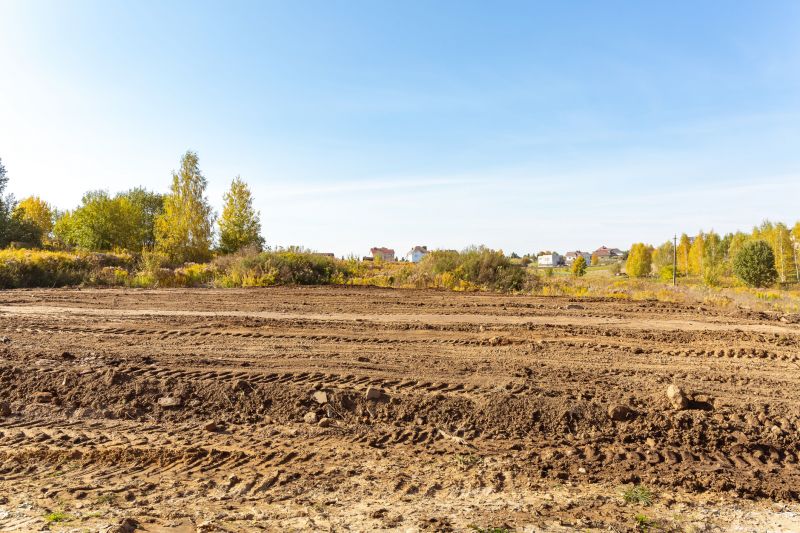
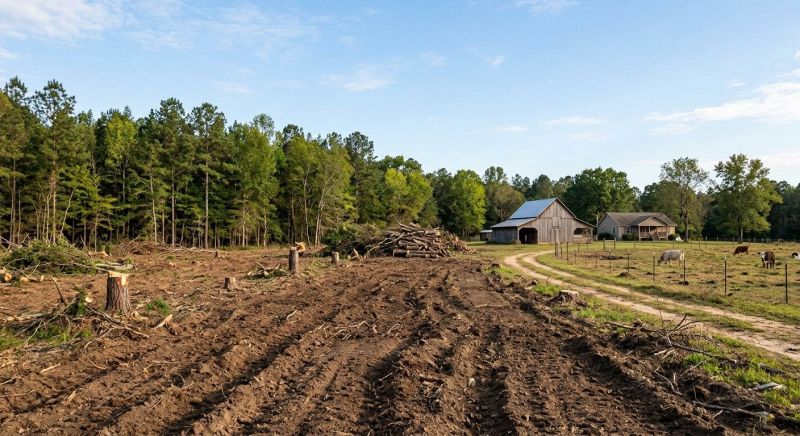
Land clearing services involve removing trees, shrubs, brush, and other vegetation to prepare a property for development, landscaping, or other projects. These services can include clearing land for new construction, creating open space for recreational areas, or removing overgrown vegetation to improve property appearance and accessibility. Property owners typically want to understand the extent of clearing needed, the types of equipment used, and how the process might impact the land’s natural features or future use.
Before requesting land clearing, property owners should consider the size and condition of the area, any local regulations or permits required, and the presence of existing structures or underground utilities. It’s also helpful to clarify the desired outcome, whether it’s a completely bare lot or a cleared but natural-looking landscape. Having a clear understanding of these factors can ensure the project meets expectations and proceeds smoothly.
Many property owners in Salt Lake City, UT look into Land Clearing for repairs, replacements, upgrades, and appearance-related improvements.
Property Preparation
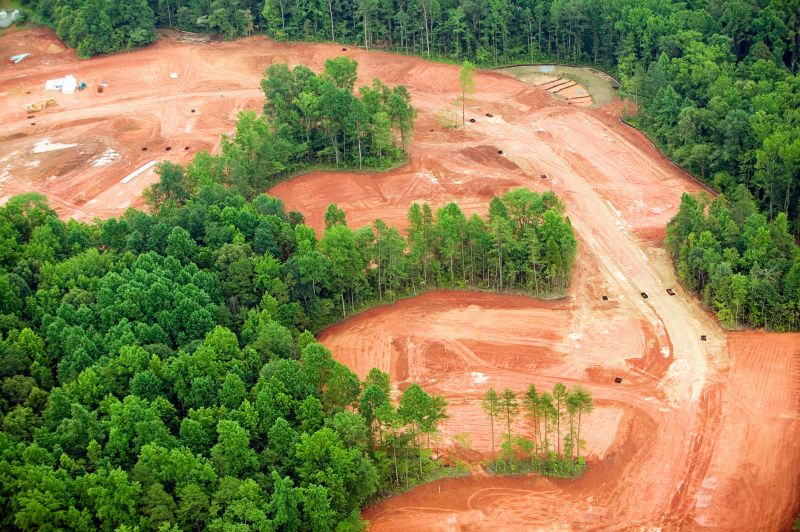
Land clearing helps prepare sites for construction, landscaping, or farming projects in salt lake city and nearby areas.
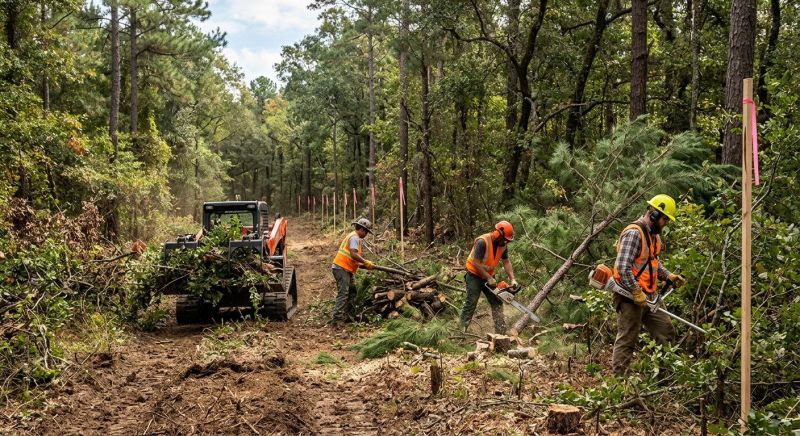
Vegetation Removal
Removing trees, brush, and overgrowth to improve safety and accessibility on residential or commercial properties.
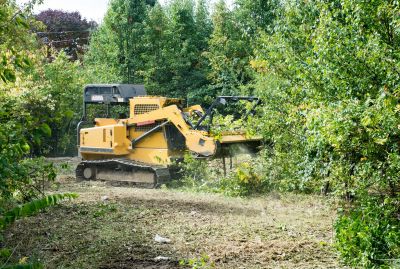
Site Maintenance
Maintaining open and level land for future development, recreational use, or property expansion in salt lake city, ut.
Land Clearing in Salt Lake City, UT
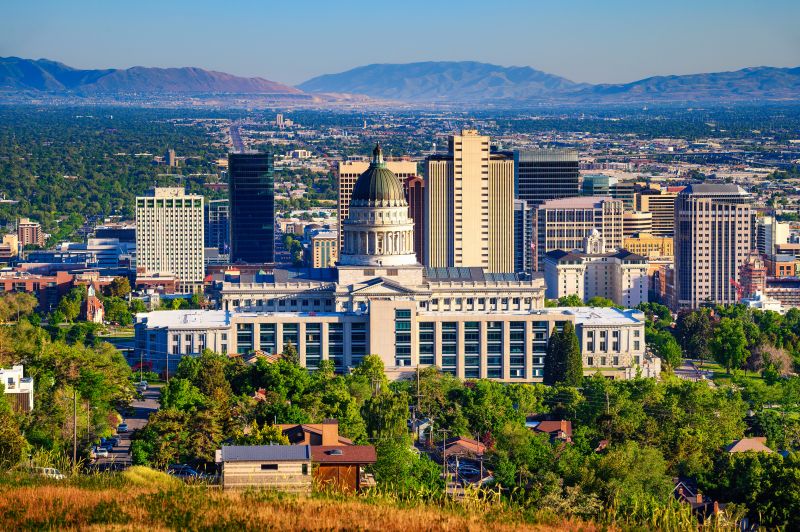
Land clearing services involve removing trees, shrubs, brush, and other vegetation to prepare a property for development, landscaping, or other projects. These services can include clearing land for new construction, creating open space for recreational areas, or removing overgrown vegetation to improve property appearance and accessibility. Property owners typically want to understand the extent of clearing needed, the types of equipment used, and how the process might impact the land’s natural features or future use.
Before requesting land clearing, property owners should consider the size and condition of the area, any local regulations or permits required, and the presence of existing structures or underground utilities. It’s also helpful to clarify the desired outcome, whether it’s a completely bare lot or a cleared but natural-looking landscape. Having a clear understanding of these factors can ensure the project meets expectations and proceeds smoothly.
Many property owners in Salt Lake City, UT look into Land Clearing for repairs, replacements, upgrades, and appearance-related improvements.
Common Land Clearing Jobs
Land clearing for new construction - prepares properties by removing trees, brush, and debris for building projects.
Tree removal and stump grinding - safely eliminates hazardous or unwanted trees and stumps.
Overgrown lot cleanup - clears dense vegetation to improve accessibility and aesthetics.
Brush and shrub removal - removes thick undergrowth to create open, usable land.
Land grading and leveling - ensures a stable foundation for landscaping or construction.
Firebreak and defensible space creation - reduces fire risk by removing combustible vegetation around properties.
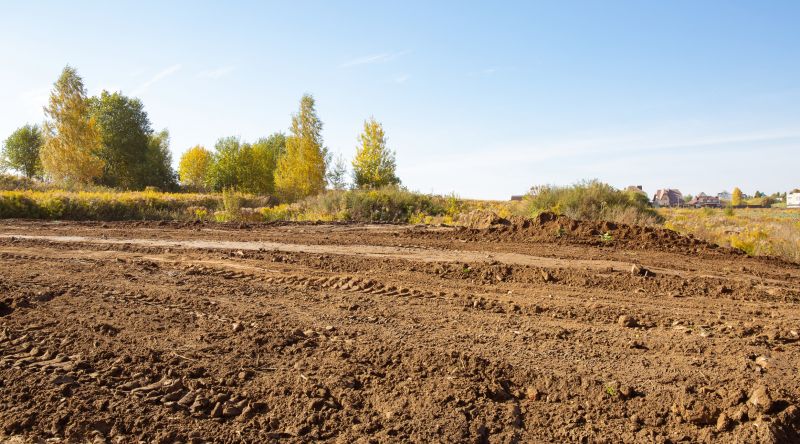
Land Clearing Questions
What is land clearing? Land clearing involves removing trees, brush, and debris to prepare a property for development or landscaping projects.
What types of projects require land clearing? Land clearing is often needed for building new structures, installing septic systems, or creating open spaces for agriculture or recreation.
Is land clearing suitable for any property size? Yes, land clearing services can be tailored to properties of various sizes, from small lots to large acreage.
What should property owners consider before clearing land? It's important to evaluate the land's topography, vegetation, and any local regulations that may affect the clearing process.
Request Land Clearing in Salt Lake City, UT
Use the quote form on this page to share the basics of your project and request more information for the type of work you need.